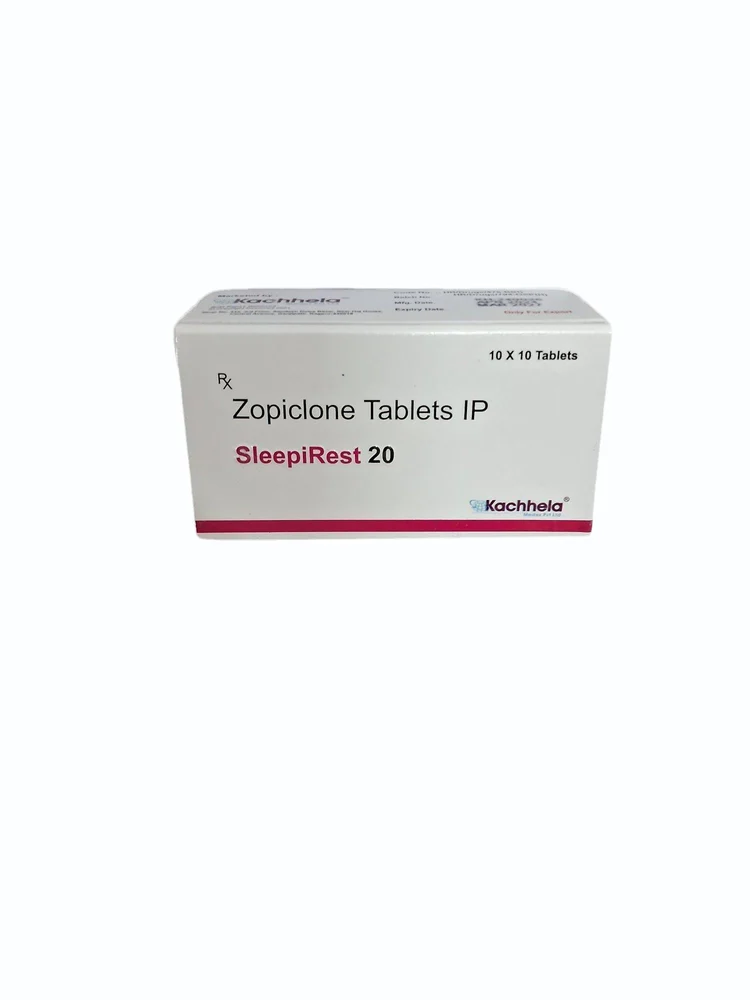
Zopiclone works by enhancing the activity of gamma-aminobutyric acid (GABA), the primary inhibitory neurotransmitter in the central nervous system. It binds to the GABA-A receptor complex, increasing the inhibitory effects of GABA on neuronal firing. This results in sedation, reduced anxiety, muscle relaxation, and facilitation of sleep.
Zopiclone 20 mg: Pharmacology, Therapeutic Use, and Safety Considerations
Introduction
Zopiclone 20 mg is a prescription hypnotic agent used in the short-term management of insomnia. It is classified as a non-benzodiazepine sedative-hypnotic, commonly referred to as a “Z-drug.” Although chemically distinct from benzodiazepines, zopiclone exerts similar pharmacodynamic effects through modulation of the gamma-aminobutyric acid (GABA) neurotransmitter system.
While zopiclone is effective when used within recommended limits, doses such as 20 mg significantly exceed standard therapeutic guidelines and are associated with increased risk of adverse outcomes. This discussion outlines the mechanism of action, clinical use, pharmacokinetics, adverse effects, dependence potential, and safety concerns related to high-dose zopiclone.
Classification and Indications
Zopiclone belongs to the cyclopyrrolone class of hypnotic agents. It is primarily indicated for the short-term treatment of insomnia, particularly in patients experiencing difficulty initiating sleep, maintaining sleep, or early morning awakening that results in functional impairment.
Clinical guidelines emphasize short duration of use, generally no longer than 2–4 weeks, due to risks of tolerance and dependence.
Mechanism of Action
Zopiclone acts on the central nervous system by binding to the benzodiazepine binding site of the GABA-A receptor complex. This enhances the inhibitory effects of GABA, leading to:
- Reduced neuronal excitability
- Sedation and hypnosis
- Anxiolytic and muscle-relaxant effects
Although zopiclone demonstrates some receptor selectivity at lower doses, higher doses result in non-selective central nervous system depression, increasing the risk of cognitive and psychomotor impairment.
Pharmacokinetics
- Absorption: Rapid oral absorption, with peak plasma concentrations occurring within 1–2 hours
- Distribution: Widely distributed throughout the body; crosses the blood–brain barrier
- Metabolism: Primarily hepatic metabolism via oxidation and demethylation
- Elimination half-life: Approximately 5 hours, though prolonged in older adults and individuals with hepatic impairment
Residual drug activity may persist into the following day, particularly at higher doses.
Recommended Therapeutic Dosage
Standard dosing recommendations are as follows:
- Adults: Up to 7.5 mg once daily at bedtime
- Older adults or patients with hepatic/renal impairment: 3.75 mg once daily
These doses are designed to balance therapeutic efficacy with safety. A dose of 20 mg represents nearly three times the maximum recommended adult dose and falls outside accepted prescribing guidelines.
Clinical Effects of High-Dose Zopiclone (20 mg)
At supratherapeutic doses, zopiclone produces exaggerated pharmacological effects, including:
- Profound sedation
- Prolonged drowsiness
- Impaired attention and concentration
- Slowed reaction time
- Reduced executive functioning
These effects significantly increase the risk of accidents, academic or occupational impairment, and poor decision-making.
Cognitive and Psychomotor Impairment
Zopiclone is known to impair psychomotor performance and memory formation, even at therapeutic doses. At 20 mg, these effects may include:
- Anterograde amnesia, resulting in poor recall of events occurring after administration
- Confusion and disorientation
- Reduced coordination and balance
- Impaired judgment
Such effects may persist into the following day due to residual plasma concentrations, particularly in vulnerable populations.
Adverse Effects
Common adverse effects of zopiclone include:
- Metallic or bitter taste
- Dry mouth
- Headache
- Daytime drowsiness
At higher doses, adverse effects become more severe and may include:
- Severe confusion or delirium
- Hallucinations
- Abnormal sleep-related behaviors (e.g., sleep-walking)
- Mood changes or agitation
The frequency and severity of adverse reactions increase markedly with doses above recommended levels.
Dependence and Tolerance
Zopiclone has dependence-forming potential, particularly when used:
- At high doses
- For prolonged periods
- In individuals with a history of substance misuse
Tolerance may develop, whereby progressively higher doses are required to achieve the same hypnotic effect. Abrupt discontinuation after high-dose or long-term use may result in rebound insomnia and other withdrawal-related symptoms.
Drug Interactions
Zopiclone has clinically significant interactions with other central nervous system depressants, including:
- Alcohol
- Opioids
- Benzodiazepines
- Certain antidepressants and antipsychotics
Concurrent use can lead to additive or synergistic sedative effects, increasing the risk of respiratory depression, impaired consciousness, and other serious complications. These risks are substantially amplified at doses such as 20 mg.
Use in Adolescents and Young People
Zopiclone is not generally recommended for individuals under 18 years of age. The developing brain is more susceptible to the cognitive and behavioral effects of sedative-hypnotics. High doses raise particular concerns regarding learning, memory, and emotional regulation.
Ethical and Clinical Considerations
From an evidence-based perspective, prescribing or consuming zopiclone at 20 mg does not align with safe clinical practice. When standard doses are ineffective, clinicians are advised to reassess:
- Underlying causes of insomnia
- Sleep hygiene and circadian rhythm disturbances
- Psychological factors, including stress and anxiety
Non-pharmacological interventions, such as cognitive behavioral therapy for insomnia (CBT-I), are considered first-line treatments for chronic sleep disorders.
Conclusion
Zopiclone is an effective short-term hypnotic when used at recommended doses under appropriate medical supervision. However, a 20 mg dose greatly exceeds therapeutic guidelines and is associated with heightened risks of cognitive impairment, psychomotor dysfunction, dependence, and adverse drug interactions.